Japanese Translation for Automotive and Robotics Companies.
03 September, 2024· Article by Maria Jones


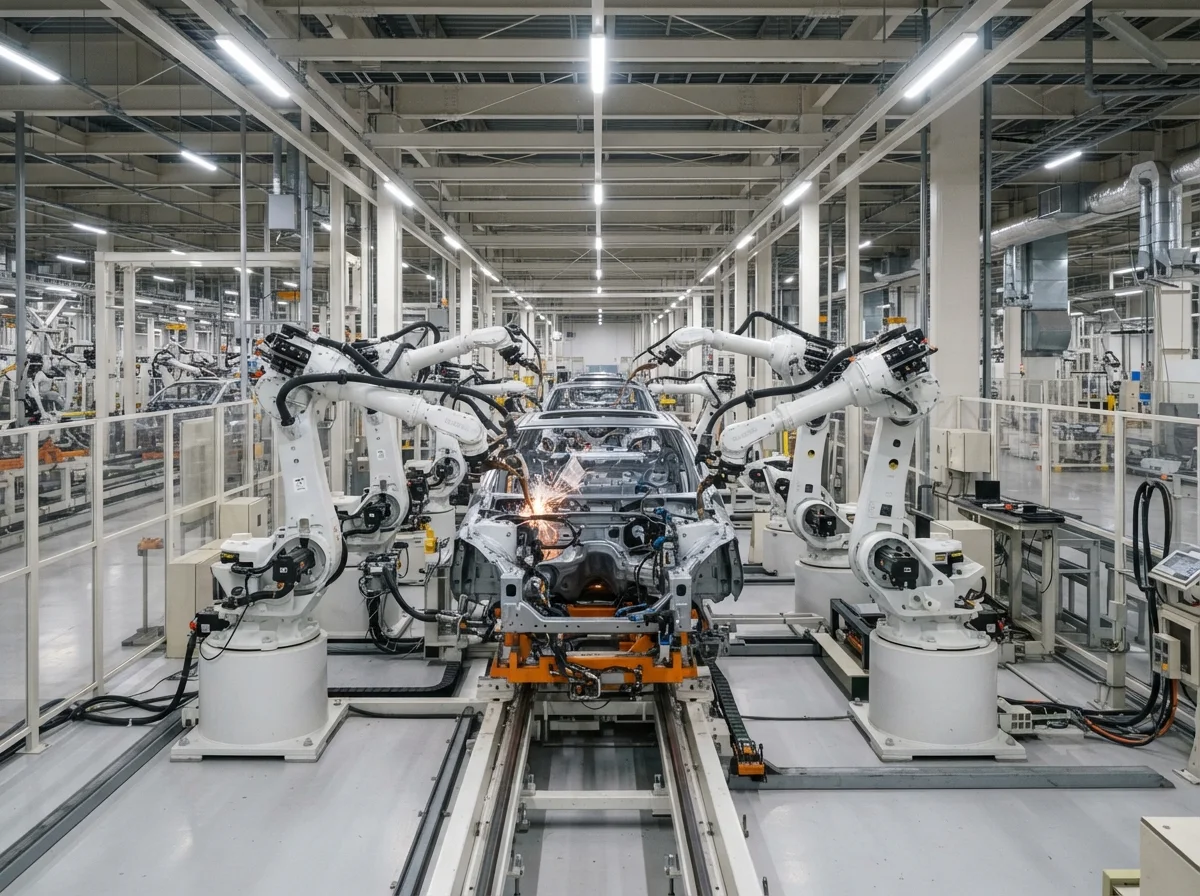
Japan is home to some of the largest carmakers, parts suppliers and robot builders in the world, and their partners in Europe, North America and Asia need documents that engineers, buyers and regulators can rely on. Japanese translation for automotive and robotics companies covers service manuals, technical specifications, drawings notes, supplier quality agreements, safety rules, test reports, recall notices, patent descriptions, training material and meeting minutes. Japanese uses three scripts, leaves out the subject of many sentences, marks levels of politeness and has its own style for technical writing, so a literal translation can leave a reader unsure who performs an action or how strict a rule is. A technical file is safe to use when every term follows the standard vocabulary of the sector, numbers and units stay exact and a reviewer who knows the engineering field checks that duties and warnings keep their full force. This article explains how to prepare material and what to ask a provider.
Manuals, specifications and drawings notes
Technicians and operators follow these texts step by step, so any doubt about a subject or an order of steps is a risk. Anyone who needs English to Japanese translation should send the manual in editable format, the parts list and the latest drawings, together with a glossary of model names, part names and abbreviations used by the company. The translator should state the actor of each step in English where Japanese leaves it out, keep numbers, units and tolerances exact and keep warnings in the same place and the same strength as the source.
Supplier agreements, quality papers and patents
Quality agreements and patent texts define duties and scope, so each clause must be clear. For translation from Japanese to English of supplier papers and test reports, the provider should use consistent terms for defect, inspection, corrective action and liability and flag passages where Japanese business customs differ from the usual contract practice in English speaking markets. Patent descriptions need exact technical terms, and a reviewer with a patent or engineering background should check the final text before filing.
Terminology, meetings and long term cooperation
Large projects run for years, so a term base that engineers and translators share saves time and avoids conflicts. Ask the provider to build a glossary with your team, to reuse approved segments through a translation memory and to mark changes in the source so that only new text needs review. Meeting minutes and emails should keep the level of politeness that suits each partner. Archive approved versions, send updates to the same team and review the glossary at every new model or project phase.
Netflix subtitle translation errors
For a look at how translation mistakes spread in popular media and what causes them, read our article on Netflix subtitle translation errors which explains why short lines, tight timing and missing context lead to mistakes and what good quality control looks like.
Checking the translation before you submit
Before you send the file, compare every name, number and date with the source, and confirm that stamps and handwritten notes are marked in brackets. Ask the translator to fix any slip at no charge and to supply the signed statement with their name and credentials. A short final check can save weeks of delay with an office that rejects documents for small errors.
Quotes, deadlines and revisions
Ask for a written quote that lists word count, certification, delivery date and the number of review rounds included. Share deadlines early, because certified copies and long contracts need extra time. Agree how corrections are requested, and keep one contact person on your side so that feedback reaches the translator in one clear message.
Certification and legalisation
Offices abroad may require a certified translation and an apostille or attestation on the original paper. Ask what they accept in writing, order the certificate with the translation and keep scans of every stamped page. Plan extra days when several offices must stamp the same file.
Interpreting for meetings and hearings
Japanese interpreters support business negotiations, clinics, immigration interviews and court hearings. Share names, dates and a short agenda in advance, and avoid using children as interpreters, because accuracy and privacy both suffer.
Machine translation and review
Machine tools give a quick gist of Japanese text, but they often mishandle names, idioms and formal registers. Use them for rough understanding only and ask a native reviewer to check anything that will be submitted or published.
Storing your approved terms
After the first project, save approved names, titles and product terms in a short glossary and send it with every new order. Reuse of approved wording keeps documents consistent over months and lowers the cost of later projects.
Confidentiality and files
Send documents through a secure channel, share only what is needed and ask who will handle the files. Return all drafts in the same format as the original so that tables and stamps stay in place.
Where to read more
For a neutral overview of the history, grammar and use of the language, see the Wikipedia article on the Japanese language , which also covers its writing system, its speech levels and its history.
Recent Posts

English to Vietnamese Translat...

Languages Supported by Transla...

Danish to English Translation ...

Marriage Certificate Translati...

Norwegian to English Translati...

English to Hmong Translation f...
Share it.

Links
We use cookies
We use cookies to give you the best online experience, remember your preferences, and understand how the site is used. You can accept all cookies, reject optional ones, or choose which categories to allow.
Privacy PolicyCookie preferences
Choose which cookies we can use. Necessary cookies stay on because the site cannot work without them.
For more details, read our Privacy Policy.